
Meet Charles Knowles: Author and Surgeon
My Background
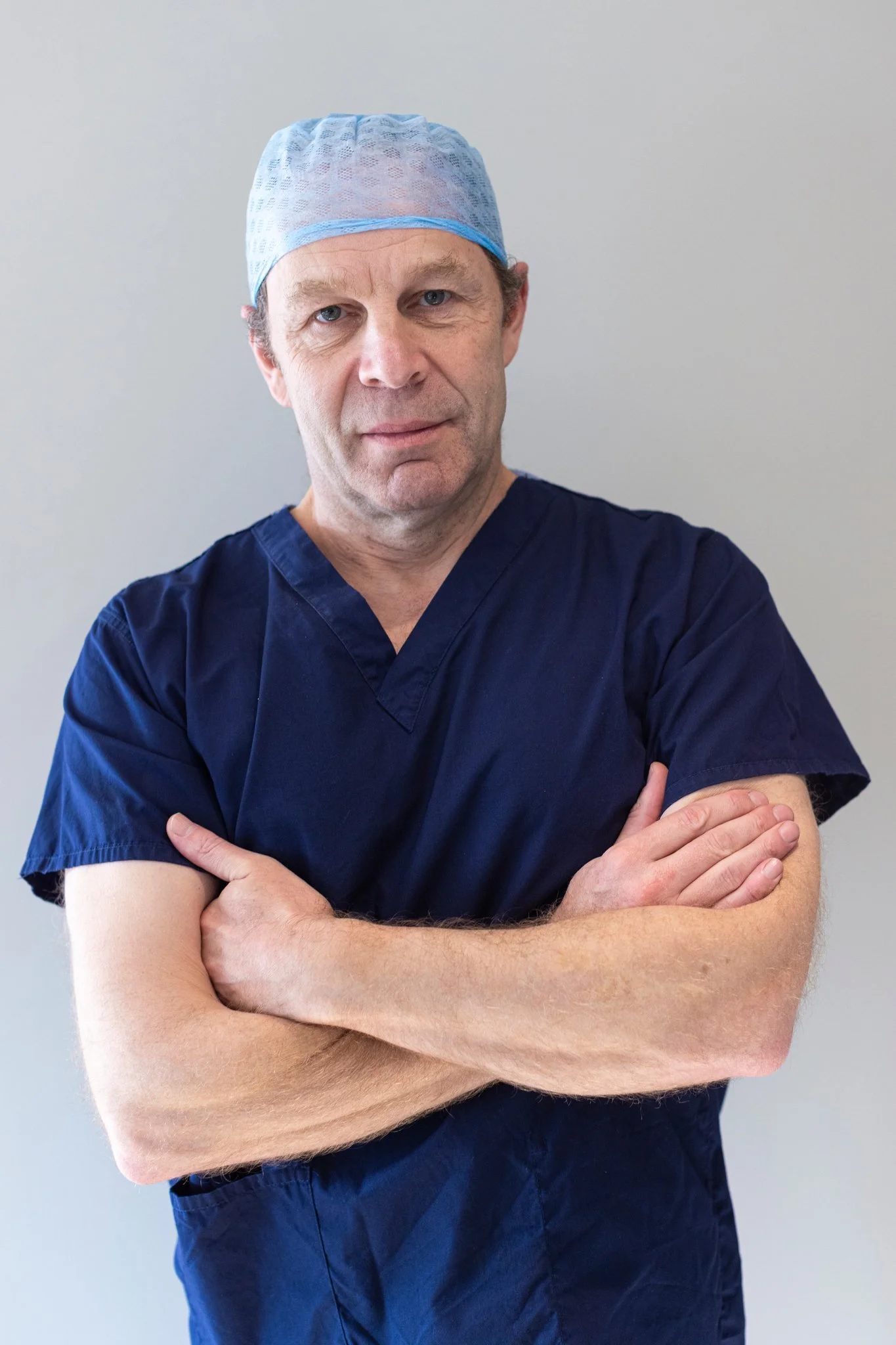
I am Professor of Surgery at Queen Mary University of London. After qualifying as a doctor at the University of Cambridge, I went on to build my career as a consultant colorectal surgeon alongside academic research.
Over the course of my career, I have authored more than three hundred peer-reviewed scientific publications and contributed to several major international surgical textbooks.
Why We Drink Too Much is my first popular science book. My own experiences provided the impetus to explore a subject that once nearly cost me my life. I now advocate for more open and compassionate conversations around alcohol, believing that anyone – including doctors – should feel able to discuss alcohol-related struggles without fear of social or professional judgement.
My Journey
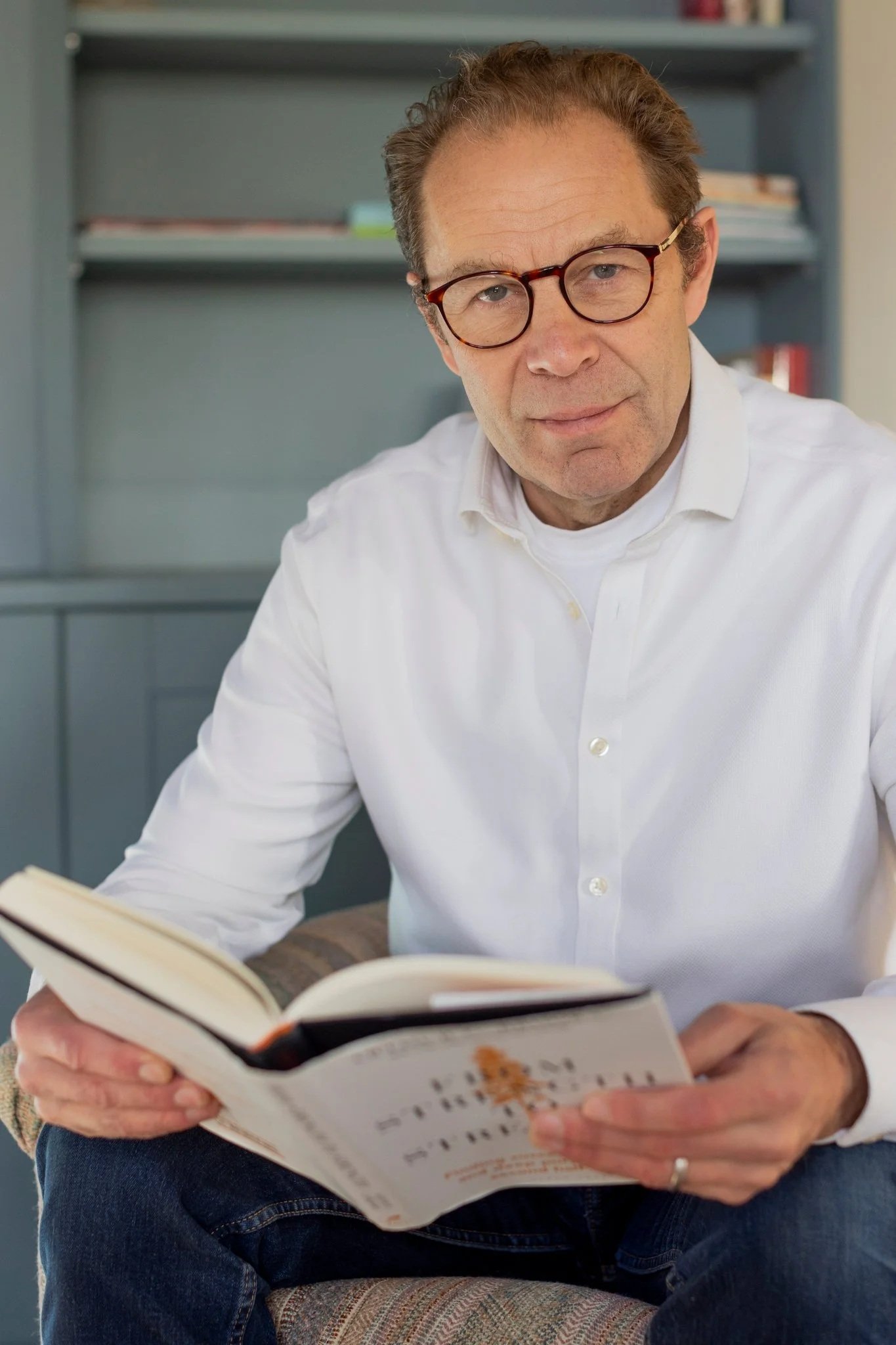
My journey with alcohol lasted about 30 years. Having started as a teenager, the discovery of alcohol was transformational – as someone who was nervous, socially awkward and sensitive to criticism, it was an immediate solution to all my problems at school and beyond. I rapidly became a huge enthusiast with a talent for partying and holding it together despite very high consumption.
Unfortunately, the solution that alcohol provided me in my teens and 20s did not last. Consequences on my mental health, along with the changing context of my life - being a surgeon and a father is not the same as being a student at medical school – took their toll. By my early 30s I knew I was alcohol dependent.
My Biggest Step
What followed was a journey that typifies the difficulty of giving up a habit that was engrained in my very persona; one that had come to define who I am. Over a decade of self-regulation on will power, anti-depressants and variable recourse to AA reached its conclusion with a bottle of Bacardi and a handgun in Florida in my late 40s.
Having not pulled the trigger, within 48hs, sweating and shaking from withdrawal effects, my relationship with alcohol ended.

On the face of it I am a success: a professor and surgeon, a husband and father, a Lincolnshire school boy who surpassed all expectations to become a Cambridge graduate. Along the way I have variously been a competitive runner, a boxer, and an army reservist. I am also a musician and singer-songwriter. But perhaps what now defines me most is that I am a recovering alcoholic.
Each of us in our mind’s eye has some sort of idea of what an alcoholic looks like, but I am guessing that a professor of surgery is not a common stereotype. Rather, we tend to think of alcohol dependence as something that only happens to other people—poor people from disadvantaged backgrounds and broken homes, people who have weak will power and lack moral integrity.
My mission is to expose the truth – that amongst any Western population, there are many people like me who have been to the edge and not enjoyed the view. Only a tiny proportion of such people meet the ‘park bench’ stereotype. When I first went to AA meetings, I didn’t meet people who were homeless; I met my colleagues. While I fully accept that ‘alcoholism’ may be viewed as a ‘shaming’ term by some dependent drinkers – it is not the word that needs to change, but rather the stigma that arises from misunderstanding.

Charlie James Musician
Away from his work on sobriety and alcohol culture, Charles Knowles is also an avid musician, writing and recording under the name Charlie James.
Based in East London, he began performing in rock bands before returning to acoustic songwriting, developing a lyrical style influenced by artists such as Paul Simon, Bob Dylan and Bruce Springsteen alongside British new wave traditions.
His work has received national radio play and indie chart recognition, and he continues to record new material in London. Check him out on Spotify here